
Somatic Experiencing® Therapy in Edmonds, WA.
A body-based approach to healing trauma, overwhelm, and disconnection.
Your body has been part of your story all along.
Your body is constantly communicating with you.
Sometimes it's subtle: a tightening in your chest, a clenched jaw, a shallow breath, a sense that something isn't quite right.
Sometimes it's much louder: panic, overwhelm, shutdown, numbness, restlessness, or the feeling that you need to get away.
Somatic therapy invites you to become curious about these experiences, not as problems to fix, but as meaningful information about what you're experiencing in the present moment.
At Satya Wellness Collective, we use Somatic Experiencing® and other body-based approaches to help you develop a deeper relationship with your body, emotions, nervous system, and lived experience.
We don't believe you need to force yourself to “get regulated,” relive your trauma, or fix your body.
Instead, we slow down enough to listen.
Meet Our Somatic Therapists & Embodiment Facilitators:
Every therapist brings their own personality, training, and areas of focus to somatic work. Explore our providers to find someone whose approach and specialties feel aligned with what you're looking for.
Best for fertility challenges, prenatal & postpartum support: Jen Oato Bennett
Best for body image and disordered eating: Keren Eshed
Best for childhood & complex PTSD (CPTSD): Dezryelle Clouse
Best for LGBTQ+ & gender identity: Felix Bankston
Best for HSP & sensory sensitivity: Sarah Lieb
Best for relationship and attachment wounds: Sophia Li
Best for intimacy & sexuality: Raelynn Johnston
Best for bicultural and immigrant experience: Betul Coban
JUMP TO A THERAPIST

This is where the link will jump to
Jen brings a somatic, body-based approach to supporting people through pregnancy, birth, postpartum, and early parenthood. She offers a compassionate space to slow down, listen to the body, and navigate the physical, emotional, and nervous system shifts that can accompany these major life transitions.
Credentials: SEP, 200RYT
Location: In-person & Virtual Sessions
Best for fertility challenges, prenatal & postpartum support
Jen Oato Bennett

This is where the link will jump to
Keren Eshed
Best for body image and disordered eating
Keren helps clients develop a more compassionate and connected relationship with their bodies. Her body-centered approach creates space to explore body image and self-perception, while cultivating greater self-awareness, resilience, and a sense of wholeness.
Credentials: Yoga Therapist, SE Student, 500YTT
Location: Virtual Sessions
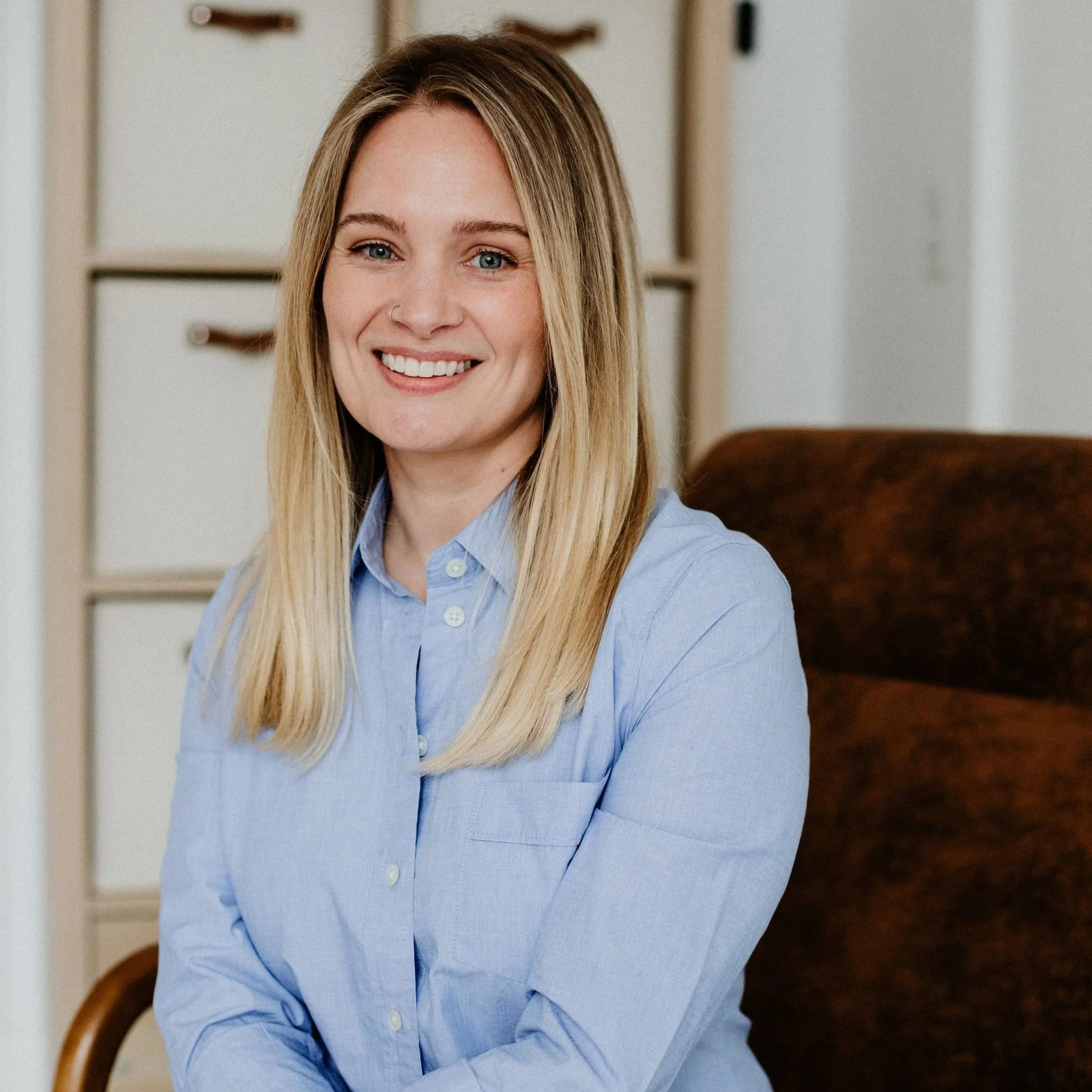
This is where the link will jump to
Dezryelle Clouse
Best for childhood & complex PTSD (CPTSD)
Dez brings over fifteen years of experience working with complex trauma and a deeply integrative, body-centered approach to therapy. She helps clients understand how early experiences can continue to shape their relationships with themselves, their bodies, and others, while gently developing greater self-trust, embodied self-worth, and capacity for connection.
Credentials: Licensed Marriage & Family Therapist, 200YTT
Location: In-person & Virtual Sessions

This is where the link will jump to
Felix Bankston
Best for LGBTQ+ & gender identity
Felix offers affirming, collaborative therapy for queer, trans, and non-binary clients navigating identity, gender, sexuality, and life transitions. Their approach creates space to explore the intersections of identity, relationships, and lived experience while building greater self-understanding, emotional resilience, and connection.
Credentials: Licensed Marriage & Family Therapist Associate
Location: Virtual Sessions
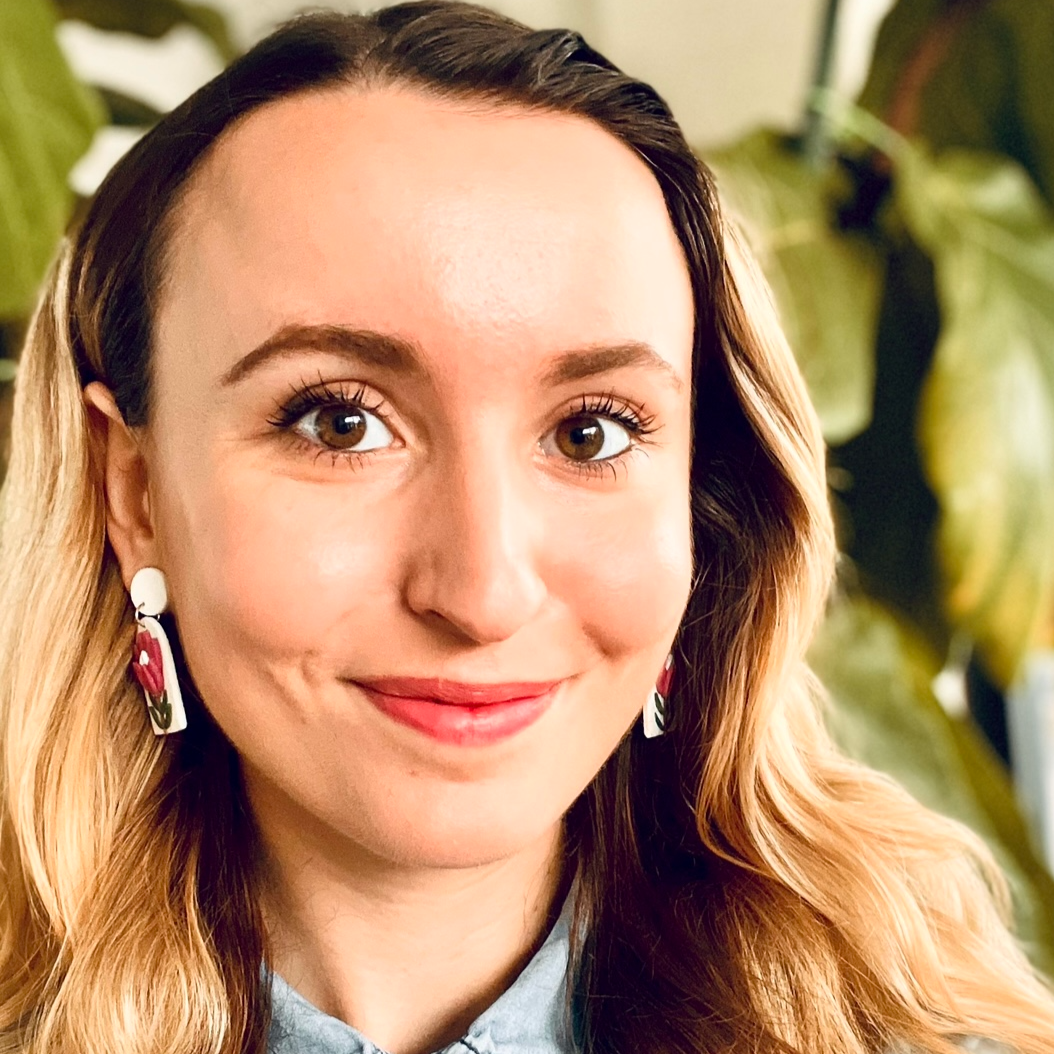
This is where the link will jump to
Sarah Lieb
Best for HSP & sensory sensitivity
Sarah offers neurodiversity-affirming, trauma-informed therapy for highly sensitive people and those who experience the world intensely through their senses. She integrates art therapy and body-centered approaches to help clients better understand their inner experiences, build self-compassion, and develop a deeper relationship with their own needs and intuition.
Credentials: Licensed Mental Health Counseling Associate
Location: Virtual Sessions

This is where the link will jump to
Sophia Li
Best for relationship and attachment wounds
Sophia offers warm, somatic and attachment-focused therapy for adults who are navigating the lasting impact of childhood experiences on their relationships and sense of self. She helps clients understand relational patterns, develop greater self-trust and emotional capacity, and practice new ways of relating to themselves and others.
Credentials: Licensed Mental Health Counseling Associate
Location: In-person & Virtual Sessions

This is where the link will jump to
Raelynn Johnston
Best for intimacy & sexuality
Raelynn works with individuals and couples who want to deepen intimacy, reconnect with pleasure and playfulness, and build more authentic relationships with themselves and others. Her approach helps clients explore relational patterns, communicate their needs, repair conflict, and create greater connection, vulnerability, and ease in their relationships.
Credentials: Licensed Marriage & Family Therapist
Location: Virtual Sessions

This is where the link will jump to
Betul Coban
Best for bicultural and immigrant experience
Betul offers culturally responsive, systemic therapy for clients navigating the complexities of bicultural identity, immigration, family, and belonging. As a bicultural, first-generation immigrant herself, she brings lived experience and cultural humility to helping clients explore the ways culture, identity, relationships, and larger systems shape their experiences.
Credentials: Student Intern
Location: In-person & Virtual Sessions
What Is Somatic Experiencing?
Somatic Experiencing® (SE) is a body-oriented approach developed by Dr. Peter Levine. Rather than focusing exclusively on thoughts, memories, and stories, SE pays attention to the ways experiences show up in the body.
That might mean noticing your breathing, muscle tension, posture, movement, temperature, impulses, sensations, emotions, or shifts in your level of activation.
You don't have to tell your entire trauma story for somatic work to be useful.
Sometimes the most important information isn't in the details of the story, but how your body responds when you connect to your experience.
Why Do People Seek Somatic Therapy?
People come to somatic therapy for many different reasons. Sometimes there's a specific experience they want help processing. Other times, they simply know that something isn't working anymore.
You might seek somatic therapy because:
You understand your patterns intellectually but still feel stuck in them
You feel anxious, overwhelmed, or constantly “on”
You have difficulty slowing down or resting
You tend to over-function, overthink, or take care of everyone else
You experience shutdown, numbness, dissociation, or disconnection
You have difficulty identifying what you need or want
Your body reacts strongly to stress or conflict
You struggle with boundaries or staying connected to yourself in relationships
You feel disconnected from your body
You're navigating grief, burnout, or a major life transition
You've experienced childhood, relational, or other forms of trauma
Talk therapy has helped you understand your experiences, but you want to work with the embodied side of them, too
You want to feel more present, connected, and at home in yourself
Our Somatic Experiencing providers in Seattle and Edmonds can help.
What Does Somatic Therapy Actually Feel Like?
A Somatic Experiencing session might include talking, sitting quietly, noticing sensations, moving, orienting to your environment, exploring an emotion, or paying attention to what happens inside your body as you talk about something important.
Your therapist may ask:
What are you noticing right now?
Where do you feel that?
What happens when we slow down?
What does your body want to do?
What would feel supportive right now?

You can expect to learn the following tools and skills:
-
This means noticing what’s happening inside your body—like your breath, heartbeat, or muscle tension.
-
Your body naturally knows how to move between states of calm and stress, which is called pendulation. We support you in noticing and trusting this innate rhythm. With gentle guidance, we help you recognize when you're stuck in one state and gently return to balance, building resilience along the way.
-
We don’t dive into the deep end. Instead, we explore small bits of sensation, emotion, or memory—just enough to bring change without overwhelm.
-
These are things that help you feel steady and supported—like a memory, a peaceful image, or a body part that feels good. We use these as anchors to help your system stay calm while you heal.
-
We help you hold strong feelings in a safe way, so they don’t become too much. This helps your body stay in control while processing what it needs to.
-
Over time, your body learns from this process. You may feel more grounded, clear-headed, and capable in daily life. This is your system adapting and healing.
-
When your body finishes processing something stressful, it may naturally release energy—like through a sigh, a yawn, or a gentle shake. This is called discharge, and it’s a healthy sign that your nervous system is resetting.
What Makes Somatic Therapy at Satya Wellness Collective Different?
Somatic therapy has become increasingly popular, and there are many different ways practitioners use the word “somatic.”
At Satya Wellness Collective, our approach is grounded in a few things we consider essential:
-
Regulation isn't a permanent state you achieve and maintain forever. Human beings move through activation, rest, connection, grief, excitement, anger, pleasure, uncertainty, and everything in between.
We're interested in helping you develop capacity and choice, not perfect regulation.
-
We respect your pace and your boundaries. You never have to disclose details of your trauma. If you choose to share, we honor your choice about what feels safe and appropriate to explore.
-
Healing doesn't happen entirely inside an individual body. The therapeutic relationship itself can become a place to practice staying present, expressing needs, receiving care, noticing boundaries, repairing ruptures, and experiencing connection.
-
Your body isn't separate from your thoughts, emotions, relationships, history, culture, or environment.
Our providers may integrated other approaches including parts work/IFS-informed therapy, EMDR-informed approaches, mindfulness, movement, expressive arts, breathwork, Hakomi, and Brainspotting, depending on your provider's training and your needs.
-
You are not expected to surrender control to your therapist.
Your “no,” “not yet,” “I don't know,” and “that's enough” are all meaningful information our providers will encourage and respect.
What Can Somatic Experiencing in Edmonds and Seattle Help With?
Our providers are skilled in these areas:
Trauma & PTSD: Childhood trauma, relational trauma, complex trauma, and overwhelming experiences.
Anxiety & Chronic Stress: Feeling constantly activated, hypervigilant, overwhelmed, or unable to slow down.
Shutdown & Disconnection: Numbness, dissociation, feeling checked out, or feeling disconnected from your body.
Relationships & Attachment: People-pleasing, boundaries, conflict, intimacy, receiving care, and staying connected to yourself in relationship.
Over-Functioning & Perfectionism: The experience of always being responsible, productive, capable, or taking care of everyone else.
Grief & Life Transitions: Working with the embodied experience of loss, change, uncertainty, identity shifts, and major transitions.
Embodiment & Self-Connection: Developing a more trusting, curious, and connected relationship with your body.
Somatic Bodywork:
Somatic Bodywork may be incorporated into Somatic Experiencing sessions in Edmonds when it feels supportive and appropriate for you.
Somatic Bodywork is a form of therapeutic touch that invites you to slow down, listen to your body, and develop deeper awareness of your sensations, emotions, impulses, and nervous system responses.
Touch is used as a gentle, attuned way of communicating with the nervous system.
You remain an active participant throughout the session as your practitioner offers guidance, helps you track your experience, and provides a supportive container for what arises.
Together, we create enough support for you to notice what your body is communicating.
You may experience changes in sensation, breath, movement, emotion, or awareness as you connect more deeply with your body. There is no need to force a release, analyze what arises, or move beyond what feels manageable.
Rather than pushing the body toward change, we listen together for what allows you to soften, settle, and feel more grounded.
You Might Consider Somatic Bodywork If:

You have early developmental or attachment trauma: Early experiences of care, connection, or safety may shape how you experience closeness, boundaries, and your own body. Carefully attuned touch can offer an opportunity to experience safety and connection in a new way.
You experience numbing, dissociation, or disconnection: If you often feel disconnected from your body or have difficulty sensing what you need, touch can provide a gentle point of orientation and support you in reconnecting with present-moment bodily sensations.
You experience chronic hypervigilance or bracing: If your body is frequently on guard, you may notice persistent tension, holding, or muscular bracing. Touch can help bring awareness to these protective patterns and create space to explore what happens when your body no longer has to work quite so hard to protect you.
You feel stuck in an incomplete protective response: Sometimes the body continues to hold a protective response from an experience in which you were unable to fight, flee, push away, or otherwise respond in the moment. Touch, together with awareness and movement, can support you in gently exploring these impulses and finding a greater sense of completion.
You experience emotional flooding or overwhelm: If emotions or physical sensations can quickly become overwhelming, carefully paced touch may provide another point of connection to the present moment, helping you stay oriented and connected to your body as you move through difficult experiences.
What to Expect From Somatic Bodywork:
Sessions are conducted fully clothed and may take place on a massage table or in other comfortable positions, depending on what feels supportive for you.
We begin with conversation and orienting to what feels safe and supportive.
Touch is introduced slowly and only with your explicit consent.
Throughout the session, your practitioner checks in and helps you track your experience. The pace and approach are adjusted based on your responses.
Over time, you may notice greater awareness of your nervous system, increased capacity to receive support, deeper self-trust, and a greater sense of integration around experiences that previously felt overwhelming or difficult to process.
Find Your Somatic Therapist: